






Injection Pens vs Insulin Pumps: My Experience Living with Type 1 Diabetes in the UK
If you live with Type 1 diabetes, you'll know that managing insulin is something that follows you everywhere. Whether you're counting carbs before dinner, planning a workout, or just trying to get through a busy day at work, the way you take your insulin can make a big difference.
For most people in the UK, that means choosing between insulin injection pens and an insulin pump. The truth is, there's no single "right" option – it's about finding what fits your life.
If you're trying to decide between the two, here's a look at some of the pros and cons from a real-world perspective.
Living with Injection Pens
For many of us, insulin pens are where our Type 1 diabetes journey begins.
The routine is fairly (eye roll) straightforward: a long-acting insulin once or twice a day, and rapid-acting insulin before meals. After a while, it becomes second nature.
One of the things we've heard people like most about pens is their simplicity. There's no device attached to you, no charging cables, no alarms, and no worrying about whether technology is behaving itself. You take your insulin and get on with your day.
Pens can also feel less intrusive. If you're going swimming, heading to the gym, or dressing up for a night out, there's nothing attached to your body that you need to think about.
That said, multiple daily injections can get tiring. Some days it feels like you're constantly reaching for your pen. And if your insulin needs vary a lot throughout the day, injections can sometimes feel a little less flexible.
What Makes Insulin Pumps So Appealing?
Talk to someone who loves their insulin pump and you'll quickly hear the same word: freedom.
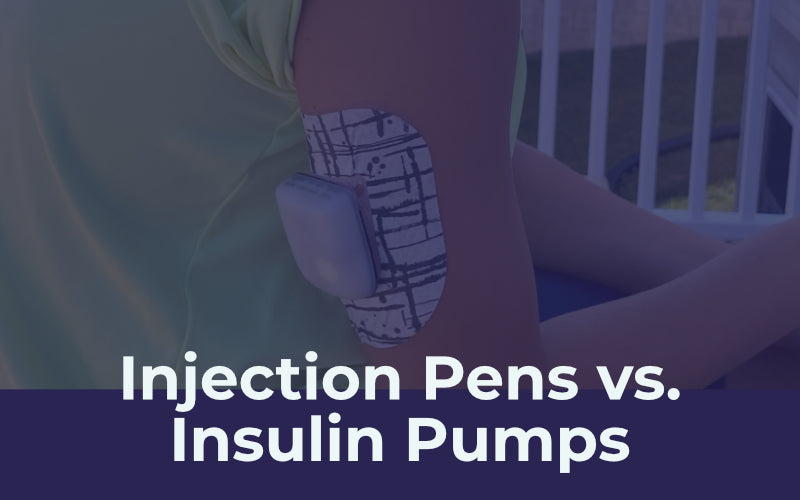
Pumps deliver insulin continuously throughout the day, which means you don't need separate long-acting insulin injections. You can adjust your insulin delivery hour by hour, which can be incredibly useful if your blood sugars tend to behave differently overnight, during exercise, or when you're stressed.
Many modern pumps also work alongside continuous glucose monitors (CGMs), creating systems that can automatically increase or decrease insulin delivery based on your glucose readings.
For some people, this technology is life-changing.
We've heard people describe the first night on a pump as the first time they've slept through without worrying about overnight highs or lows. Others love the ability to fine-tune insulin doses far more precisely than they could with injections.
But Pumps Aren't Perfect Either
While pumps offer a lot of advantages, they also come with responsibilities.
You're wearing a device 24 hours a day, which isn't something everyone enjoys. Some people barely notice it after a few weeks, while others never quite get comfortable with having something attached to them all the time.
There's also more to learn. Setting basal rates, changing infusion sets, troubleshooting alerts, and understanding pump settings can feel overwhelming at first.
And technology, as we all know, isn't flawless. Batteries die, infusion sets can fail, and devices occasionally decide to misbehave at the worst possible moment.
The NHS and Diabetes Technology
The good news is that diabetes technology in the UK has come a long way in recent years.
More people than ever have access to continuous glucose monitoring, and insulin pumps are becoming increasingly available through NHS diabetes services for those who meet the criteria.
It's always worth talking to your diabetes team about what's available locally. Eligibility can vary, and new technologies are being rolled out all the time.
So Which Is Better?
Honestly, we don't think that's the right question.
We've met people with excellent HbA1c results using injection pens, and people whose lives have been transformed by insulin pumps. We've also known people who tried a pump and decided they'd rather go back to injections.
The better question is:
Which option makes managing diabetes easier for you?
If you value simplicity and don't want to wear a device, pens might be the perfect fit.
If you're looking for more flexibility, tighter glucose management, or access to hybrid closed-loop technology, a pump could be worth exploring.
Don't Forget About CGMs
One thing that's changed the conversation in recent years is continuous glucose monitoring.
Many people now use injection pens alongside a CGM and achieve fantastic results. Others combine a CGM with an insulin pump for a more automated approach.
Because of this, the decision isn't always "pens versus pumps" anymore. Sometimes it's about finding the right combination of tools that helps you feel more confident and less stressed about diabetes.
Final Thoughts
Living with Type 1 diabetes means making hundreds of decisions every day. The method you use to deliver insulin is just one of them, but it's an important one.
Whether you're using injection pens, an insulin pump, or considering a switch between the two, remember that success isn't measured by the device you're using. It's measured by how well it helps you live your life.
The best insulin delivery method isn't necessarily the newest or the most advanced. It's the one that works for you, fits your lifestyle, and helps make the daily challenge of Type 1 diabetes a little bit easier.